
Ethereum · 2,222 supply · Mint complete

The night belongs to owls.

Owlex is a curated PFP collection on Ethereum—built around lore, identity, and long-term community. Explore the story, preview the gallery, and find official links below.

Owlex
Scroll

Story & lore

Before the moon

Long before cities hummed with light, the Owlex watched from the canopy—keepers of quiet wisdom and sharp sight. When the world grew loud, they did not flee; they folded themselves into pixels and perched on Ethereum, one address at a time.

The collective

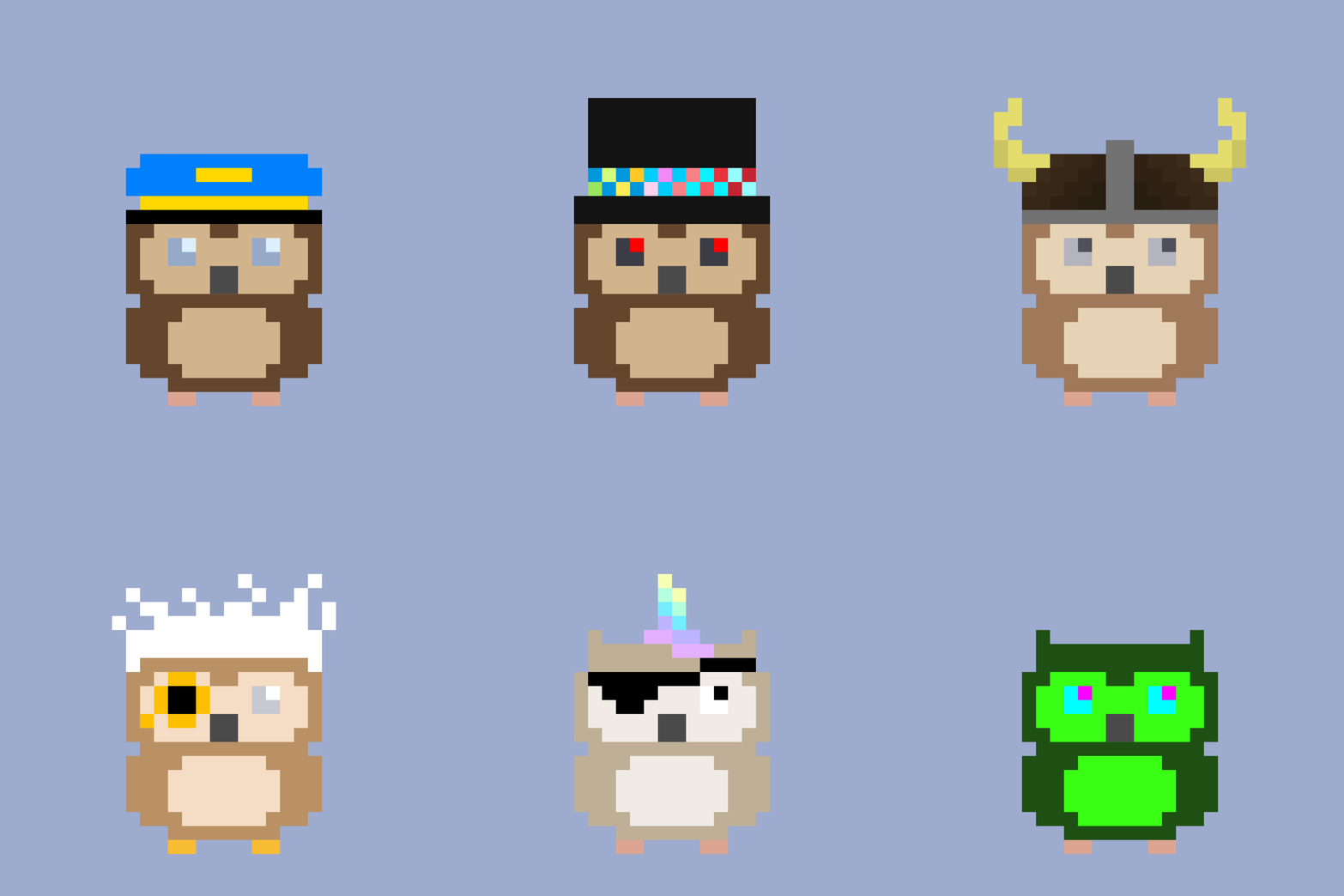
Every Owlex carries a trace of the old woods: patterns in the feathers, glints in the eyes, echoes of branches against sky. Together they are a parliament—not of rulers, but of witnesses who remember the dark as something sacred, not empty.

Your place

Holding an Owlex is an invitation to the roost. Trade, display, or simply listen—the chain never sleeps, and neither does the flock. New chapters write themselves in listings, offers, and the slow turn of seasons in the metadata.

Roadmap

Owlex extends beyond the PFP: stake to earn XP, unlock a holder-only trait economy, and help shape the flight path to the OWL token. Details in the whitepaper.

Live

Staking

Stake your Owlex to earn XP—the meter for progression, store access, and future rewards. Built for long-term holders, not one-off farmers.

Next

Trait store & equipment

A holder-gated trait hub: spin for new traits, equip rarer layers, and express how deep your roost runs. Your collection size and commitment influence what you can roll and wear—not everyone sees the same shelf.

Protocol

Fair randomness & buyback

Trait outcomes use on-chain verifiable randomness (Pyth Entropy on Ethereum) so spins are provably fair. A portion of ETH flowing through the system is directed to buyback—supporting liquidity and aligning the nest with the market.

Summer

OWL token & airdrop

Launch of the OWL token with an airdrop to holders—rewarding wallets that actually roost. Full allocation mechanics, XP sinks, and ETH pricing for traits are documented in the whitepaper.

Read the full whitepaper →